Frequently Asked Questions - Main Street Optometry - Vision Source
What are Optometrists, Opticians and Ophthalmologists?
An optometrist (OD) examines eyes for both vision and health problems, prescribes glasses, and fits contact lenses. Optometrists prescribe many ophthalmic medications and may participate in your pre- and postoperative care if you have eye surgery. An optometrist must complete four years of post-graduate optometry school. Find out more about Dr. Renee Laliberte's education and training.
An optician is not a doctor, but in some states they must complete training and be licensed. And in some states they can become certified, after special training, to fit contact lenses. Most opticians sell and fit eyeglasses, sunglasses, and specialty eyewear that are made to an optometrist's or ophthalmologist's prescription. Although Michigan does not require opticians to be licensed, Dr. Laliberte encourages Main Street Optometry's opticians to complete the American Board of Opticianry Certified Optician and a National Contact Lens Examiners Certified Contact Lens Technician certification. Find out more about Main Street Optometry's opticians.
An ophthalmologist (MD) is a medical doctor who specializes in the eye. They perform eye exams, treat disease, prescribe medication, and perform surgery. They may also write prescriptions for eyeglasses and contact lenses. Dr. Laliberte and Main Street Optometry participate in your pre- and postoperative care with some of the best ophthalmologist in the field.
What are Single Vision lenses?
This all-purpose lens is available in all material and provides vision correction for one viewing area. The corrected area can be for far distance or near distance.
What are Multifocals lenses?
These will be recommended when you require correction for both distance and near viewing areas in one single pair of glasses. Available as no-line progressives, bifocals, and trifocals.
Do I need UV protection?
The sun's ultraviolet rays pose potential harm to your eyes. We recommend UV protection on all our lenses. UV filters for your lenses accomplish the same thing as sunscreen does for skin - shields your eyes from harmful UV rays. A 'must-have' for adults and children to promote healthy vision.
What are No-Line Progressives?
These lenses are designed to allow you to see at distance (driving a vehicle), intermediate (looking at the dashboard), and near (reading a map) with no lines or sections. The absence of bifocal lines makes this lens the most desirable cosmetically. You will also enjoy continuous vision from far to near with this lens design.
Tell me about Anti-Reflective coatings.
This is a special coating that reduces distracting reflections. The results are: more transmitted light, better quality of vision, improved night vision, and reduced eye fatigue. Great for working on a computer and driving at night, these lenses also offer a cosmetically appealing "invisible lens look" that makes the lens "disappear" and shows your eyes more clearly.
Tell me about polarized lenses.
This is the best option for eliminating glare. Hunters, boaters, fishermen, golfers, and drivers are just a few who can benefit from polarized lens' glare blocking properties. Any surface can create glare in sunlight. Available in different colors, materials, and designs. With your eyesight being so important and your eyes working so hard, you need to take the time to select the best vision solutions for you and your lifestyle. Dr. Laliberte and our opticians can give you more information and guidance.
What is the best way to clean and care for my eyeglasses?
Improper cleaning can damage your eyeglass lenses, resulting in scratches, haziness and peeling of coatings. Following these simple tips will help keep your eyeglass lenses in optimal condition!
Best Options for Cleaning and Caring for Your New Eyeglasses:
- Use a lens cleaner developed especially for eyeglasses, along with a micro fiber lens cloth. Most good eyeglass cleaners will have an anti-static agent in them, which helps keep dust and particles from collecting on the lenses, keeping them cleaner longer. With every eyeglass purchase, Main Street Optometry supplies you with a complimentary care kit including your first bottle of lens cleaner and a micro fiber cleaning cloth.
- If you are away from your lens cleaner, rinse your lenses with warm water and mild soap, (this rinses the dust and particles off of the lens), and then wipe them dry with a lens cloth or tissue.
- Use two hands when putting your eyeglasses on and taking them off.
- Periodically replace, or brush out the dust and lint from inside the case.
- Avoid leaving your eyeglasses in excessive heat, such as the dash and sun visors of the car.
- Store glasses in an eyeglass case and take advantage of periodic, complimentary frame adjustments from Main Street Optometry.
- Remove your eyeglasses when spraying hair spray to avoid build up on the lenses.
Never do the Following to Your New Eyeglasses
- Use household detergents, soaps, or window cleaners such as Windex. Often the ammonia based chemicals in these cleaners will break down certain lens coatings.
- Place eyewear face down on the lenses.
- Wipe with paper towels or clothing. Remember, the dust particles must be rinsed away to avoid scratching.
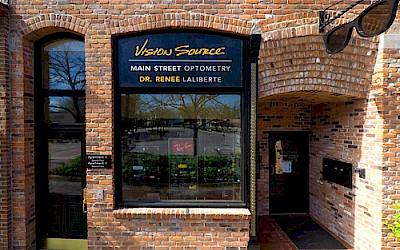
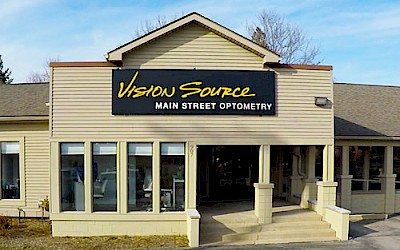
Main Street Optometry Has a full line of cleaning products to keep your new eyeglasses in optimal condition. Please visit our Dexter, Michigan or Pinckney, Michigan locations to purchase additional micro fiber cleaning cloths and spray. Remember these items are great Christmas stocking stuffers and gift items for your friends and relatives!
Livingston County
The complete online guide to the Livingston County area, with accommodation, real estate, business and local information.
Washtenaw County
The complete online guide to the
Washtenaw
County area, with accommodation, real estate, business and local information.
|